

Shopping in Tel Aviv: From Local Gems to Global Brands
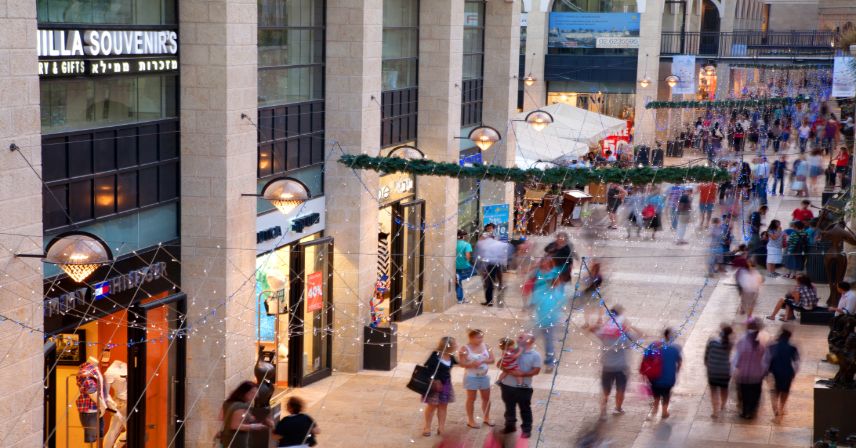
In Tel Aviv, you don’t need to go far to find places to shop. Almost every neighborhood has its own mix of stores, from small independent spots to large shopping centers. The experience of shopping in Tel Aviv changes depending on where you go and what you’re looking for, with options ranging from local markets and boutiques to malls filled with familiar global brands. Here’s a rundown of the main shopping areas and styles to help you decide where to start.
What to Expect When Shopping in Tel Aviv
Shopping in Tel Aviv isn’t limited to one main district or a single type of experience. Some of the city’s most trendy shopping areas are built around markets and walkable streets, while others are centered on modern malls and larger retail hubs. Knowing what kind of shopping you’re in the mood for makes it easier to decide where to go.
In general, shopping in Tel Aviv falls into three main categories:
- Markets: for browsing, food, atmosphere, and souvenirs
- Shopping streets: for boutiques, concept stores, and neighborhood style
- Malls: for global brands, designer fashion, and one-stop shopping
Each option offers a different way to experience the city, and together they cover everything from casual browsing to more focused shopping. Here’s what each one has to offer.
Tel Aviv Markets
Tel Aviv markets are one of the easiest ways to get a feel for the city. Spread across different neighborhoods, they combine everyday shopping with food, color, and a strong sense of place. Beyond fresh produce and street food, markets are also a popular stop for Tel Aviv souvenirs. You’ll find everything from spices, olive oil, and sweets to handmade items, vintage finds, and small gifts that reflect the city’s mix of old and new.
Carmel Market is known for its food stalls and local atmosphere, while the Jaffa Flea Market focuses more on antiques, vintage items, and design pieces. Nahalat Binyamin offers a different experience, especially on days when the arts and crafts market is active, with handmade jewelry, artwork, and textiles. Sarona Market, set inside a restored historic complex, is more modern in feel and centers on gourmet food, specialty products, and indoor browsing.
Tel Aviv Shopping Streets
Shopping streets in Tel Aviv are where the city’s neighborhood character really comes through. They’re spread across different areas, each with its own pace and style. Walking these streets often means moving between clothing stores, cafés, bookstores, and small design studios, all within a few blocks.
This is where you’ll find many of the concept stores Tel Aviv is known for, alongside independent boutiques and local designers. Streets like Shenkin, Dizengoff, and Rothschild Boulevard are popular for fashion and lifestyle shopping, while areas such as Florentin lean more creative and informal. The experience is less about checking off a list and more about discovering places as you go.
Tel Aviv Malls
Malls in Tel Aviv offer a more concentrated shopping experience, bringing a wide range of stores together under one roof. They’re spread across the city and easy to fit into a day, whether you’re browsing briefly or planning a few focused hours of shopping.
This is where you’ll find many of the designer fashion stores and international brands, alongside familiar high-street names. Places like Azrieli Mall, Dizengoff Center, and TLV Fashion Mall each have a slightly different feel, from large, modern complexes to more central, walkable hubs. For visitors who prefer air-conditioned comfort, clear store layouts, and predictable options, malls provide an easy and efficient alternative to markets and shopping streets.
Where to Stay Near the Best Shopping in Tel Aviv
Because shopping in Tel Aviv is spread across the city, having a central base makes a noticeable difference. Many of the main shopping streets, markets, and malls sit close to one another, but not always in the same neighborhood. Staying somewhere central allows you to move easily between different shopping areas without planning your day around long travel times.
Isrotel offers several comfortable options in these central areas, including Alberto and Gymnasia near Rothschild Boulevard, Sea Tower close to Carmel Market and Dizengoff Center, and Royal Beach along the promenade, with easy access to both shopping streets and malls.
Book Your Vacation with Isrotel
If shopping in Tel Aviv is part of your travel plans, staying with Isrotel makes it easy to fit everything into your stay. With hotels located close to markets, shopping streets, and malls, you can step out and explore the city at your own pace, then return to a comfortable place to unwind. Book your stay with Isrotel and enjoy a Tel Aviv visit that balances shopping, sightseeing, and relaxation.