


Travelers splitting a trip between Tel Aviv and Jerusalem often assume the two cities sit close enough to be treated as one stop. Underestimating travel time between sites can quickly throw off a tightly planned itinerary. How far is Tel Aviv from Jerusalem, and which route actually saves the most time? The answer shapes everything from hotel choice to how many days each city deserves.
Tel Aviv to Jerusalem: The Actual Distance
The straight line distance between the two cities is about 54 kilometers, or 33 miles. Driving distance runs longer, closer to 65 to 68 kilometers, since the road climbs through the Judean Hills. That gap in numbers surprises many first time visitors used to shorter hops between coastal cities.
Tel Aviv to Jerusalem Train: The Fastest Way Without a Car
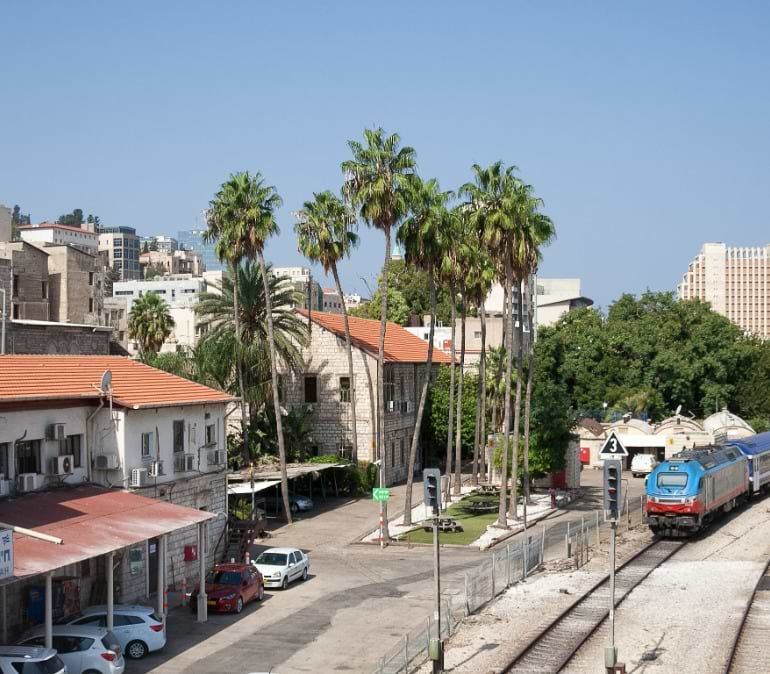
The train is the quickest way to cover the route without renting a car. The Tel Aviv to Jerusalem train runs direct, with Israel Railways operating trains roughly once an hour between Tel Aviv Center and Jerusalem's Yitzhak Navon station. The ride takes about 45 to 50 minutes and skips road traffic entirely. Tickets can be purchased with a Rav Kav card or a supported mobile payment app; check the current fare before traveling.
Bus From Tel Aviv to Jerusalem: A Budget Friendly Route
Egged runs frequent bus service between the two cities, mainly on lines 405 and 480. A bus from Tel Aviv to Jerusalem makes only one stop along the way, and the ride takes roughly 45 to 60 minutes depending on traffic near the entrance to Jerusalem. Fares fall under Israel's unified public transport pricing, so it is worth confirming the current rate before boarding.
Driving From Tel Aviv to Jerusalem
Driving covers the same 65 to 68 kilometers along Highway 1, cutting through the Judean Hills toward the city entrance. The trip takes about an hour in light traffic, longer on Friday afternoons before Shabbat. A car offers flexibility for stops along the way, though parking in central Jerusalem takes some patience.
By train, the direct-line distance is about 54 kilometers and the journey takes roughly 45 to 50 minutes, with regular departures and no road-traffic delays. By bus, the road distance is about 65 kilometers and the trip usually takes 45 to 60 minutes, with frequent departures. By car, the route is about 65 to 68 kilometers and takes around an hour in light traffic, though Friday-afternoon traffic can extend the journey.
Choosing Where to Stay First
With well under an hour separating the two cities by train, many visitors base themselves in one destination and day trip to the other rather than switching hotels midway. Travelers focused on beaches and dining often anchor their stay among Tel Aviv hotels near the coast, while those prioritizing history look at Jerusalem hotels close to the Old City walls.
Our Royal Beach Tel Aviv hotel sits directly on the beachfront, with a pool bar and a short ride from the train station. In Jerusalem, the Orient hotel occupies a restored building with a heated indoor pool, a rooftop pool and a spa suited to a longer stay.
Guests comparing hotels in Jerusalem against a coastal base can check the train timetable and plan both cities without losing a full day to transit. A Jerusalem for tourists itinerary built around the Old City makes walking distance to Jaffa Gate matter more than distance to the train station.

Best Time to Travel Between the Cities
Traffic on Highway 1 builds sharply on Friday afternoons ahead of Shabbat and eases again by Saturday evening. Early morning and midday trains run less crowded than the evening commuter rush. Planning a tel aviv to jerusalem day trip outside these windows keeps both legs of the journey closer to the average travel time.
Planning the Trip Between the Two Cities
Checking today's train timetable before booking accommodation removes most of the guesswork from a Tel Aviv and Jerusalem itinerary. Explore Isrotel’s range of hotels in Tel Aviv and Jerusalem to compare which base fits your plans.